Crypto Recovery Services
Stolen Crypto Recovery Services, Explained.
Not all stolen crypto recovery services are real. Learn what legitimate recovery involves, how to spot a recovery scam, and the questions to ask before you pay anyone.
Free to search: see how much intelligence exists on an address. Unlock the full report to reveal the details.
373M+
Wallets tracked
1.1B+
Records indexed
100+
Intelligence sources
What to Know About Stolen Crypto Recovery Services
Searching for stolen crypto recovery services is stressful, because the results are a minefield. Alongside a handful of legitimate investigators sits a flood of "recovery" scams designed to victimize you a second time. Knowing the difference is the most valuable thing you can learn here.
Legitimate recovery is not magic. It is disciplined blockchain tracing, evidence work, and coordination with exchanges and law enforcement, done by named professionals who will tell you honestly whether recovery is realistic.
This guide explains what real crypto recovery services actually do, the red flags that reveal a scam, what a genuine investigation looks like, and how to check a wallet yourself for free before you pay anyone. For the step-by-step version, see how to recover stolen cryptocurrency.
How to Vet a Recovery Service
- Named investigators Real, verifiable people, not anonymous accounts or stock photos.
- No guarantees Honest firms never promise a recovery outcome.
- A documented report Clear findings, traced funds, and realistic next steps.
- Lawful process Recovery via freezes, subpoenas, and legal action, not "hacking".
- Keys stay yours A real tracer never needs your seed phrase or private keys.
- Free self-check Look up the destination wallet yourself before you pay.
What Legitimate Crypto Recovery Services Actually Do
Real recovery starts with tracing. Investigators follow the stolen funds across the blockchain to find where they went and whether they reached a regulated chokepoint that could freeze or reveal them.
They document the case, identify the key wallets and entities involved, and produce a report suitable for exchanges, banks, lawyers, or law enforcement. Where recovery is viable, they explain the realistic legal or exchange-level path to pursue it.
What they do not do is guarantee a result or "hack" funds back. Recovery, when it happens, comes through freezes, subpoenas, and legal action, not secret technical tricks.
Red Flags: How to Spot a Recovery Scam
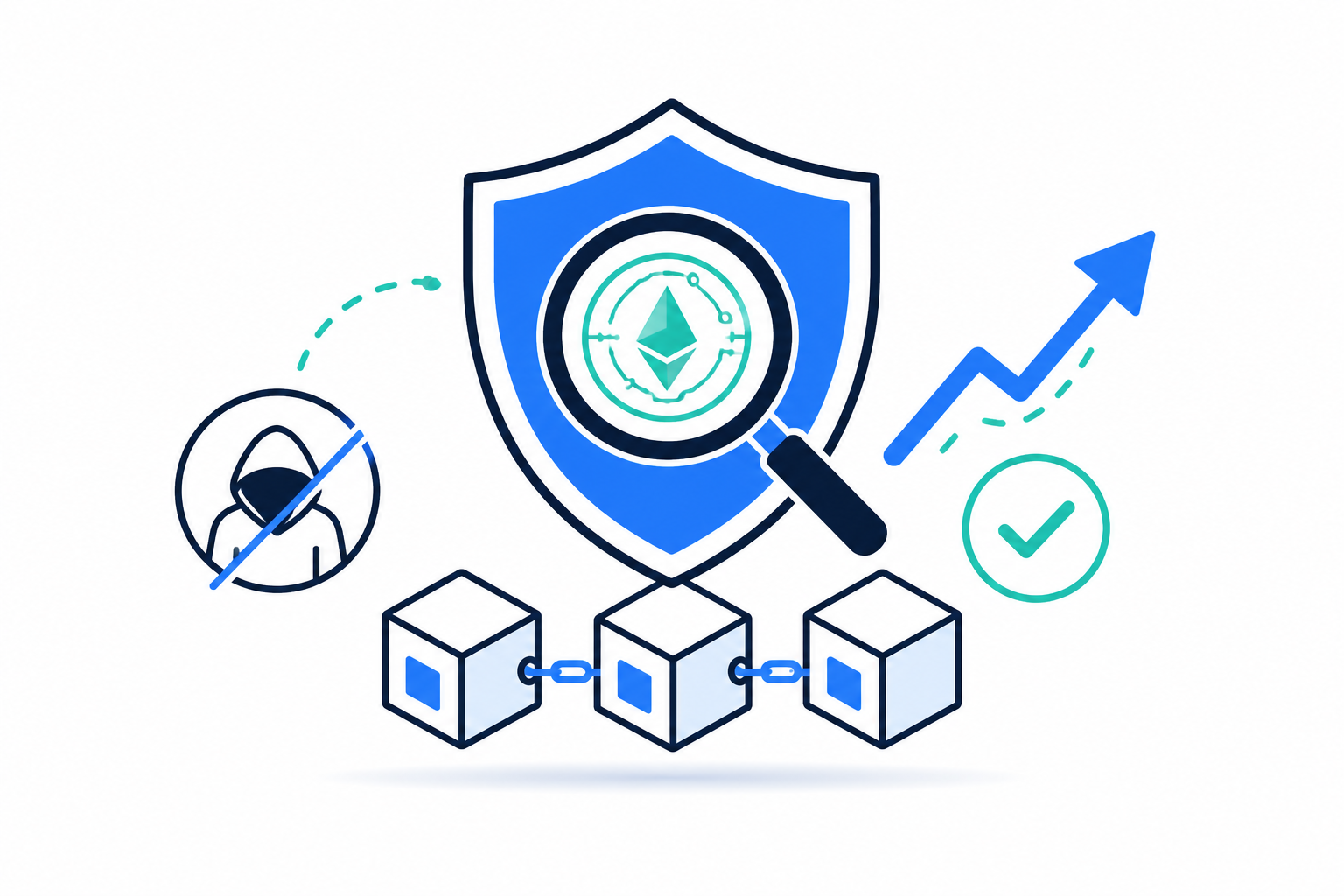
The biggest red flag is a guarantee. No honest service can promise to recover your funds, because outcomes depend on facts outside their control. Guarantees are bait.
Watch for services that contact you first, especially in the comments of scam-related posts or videos, that ask for large upfront fees to "release" funds, that avoid video calls, or that use vague names and stock photos.
Never pay a fee to "unlock" recovered money and never share your seed phrase or private keys. Both are hallmarks of a recovery scam that the FTC and FBI IC3 warn victims about.
What a Real Investigation Looks Like
A credible investigation is transparent and senior-led. You meet named investigators, often on a video call, and talk through what happened. They build a timeline from your evidence and trace the funds on-chain.
You receive a documented report: how the loss occurred, where the assets went, the key leads and entities, and a professional opinion on whether recovery is realistic.
Our parent company Glacier21 works this way, with former FBI and DOJ investigators and a one-time preliminary investigation fee, no subscription and no false promises.
Questions to Ask Before You Pay
Ask for the real names of the investigators and verify them independently on LinkedIn and in the press. Ask whether they will meet you on a video call before any work begins.
Ask exactly what the fee covers and whether it is a one-time cost or a percentage tied to a promised recovery. Ask what happens if the case is not recoverable; the honest answer is that they will tell you, and stop.
Finally, ask how they handle your keys. The correct answer is that they never need your seed phrase or private keys to trace funds.
DIY First: Check the Wallet Yourself
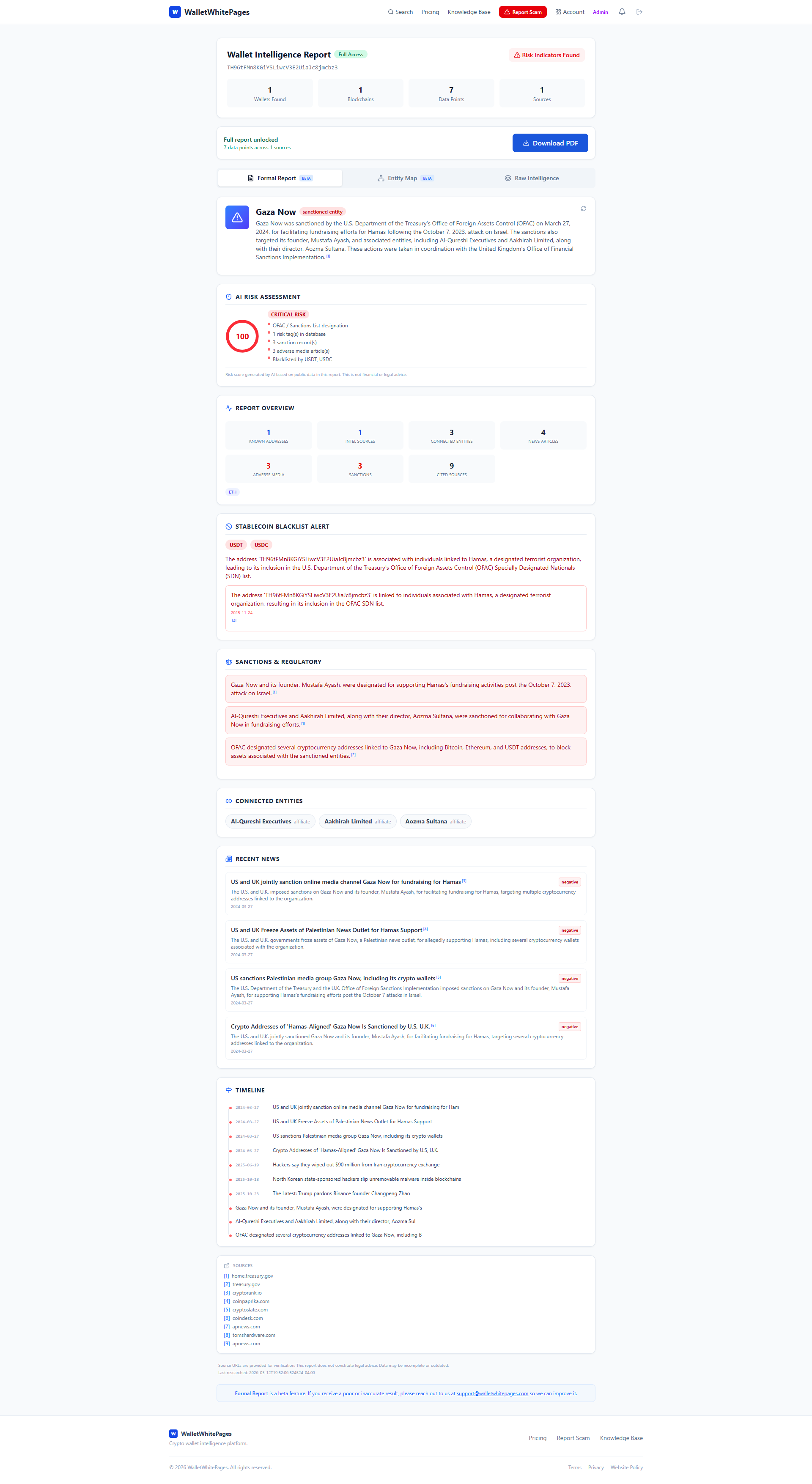
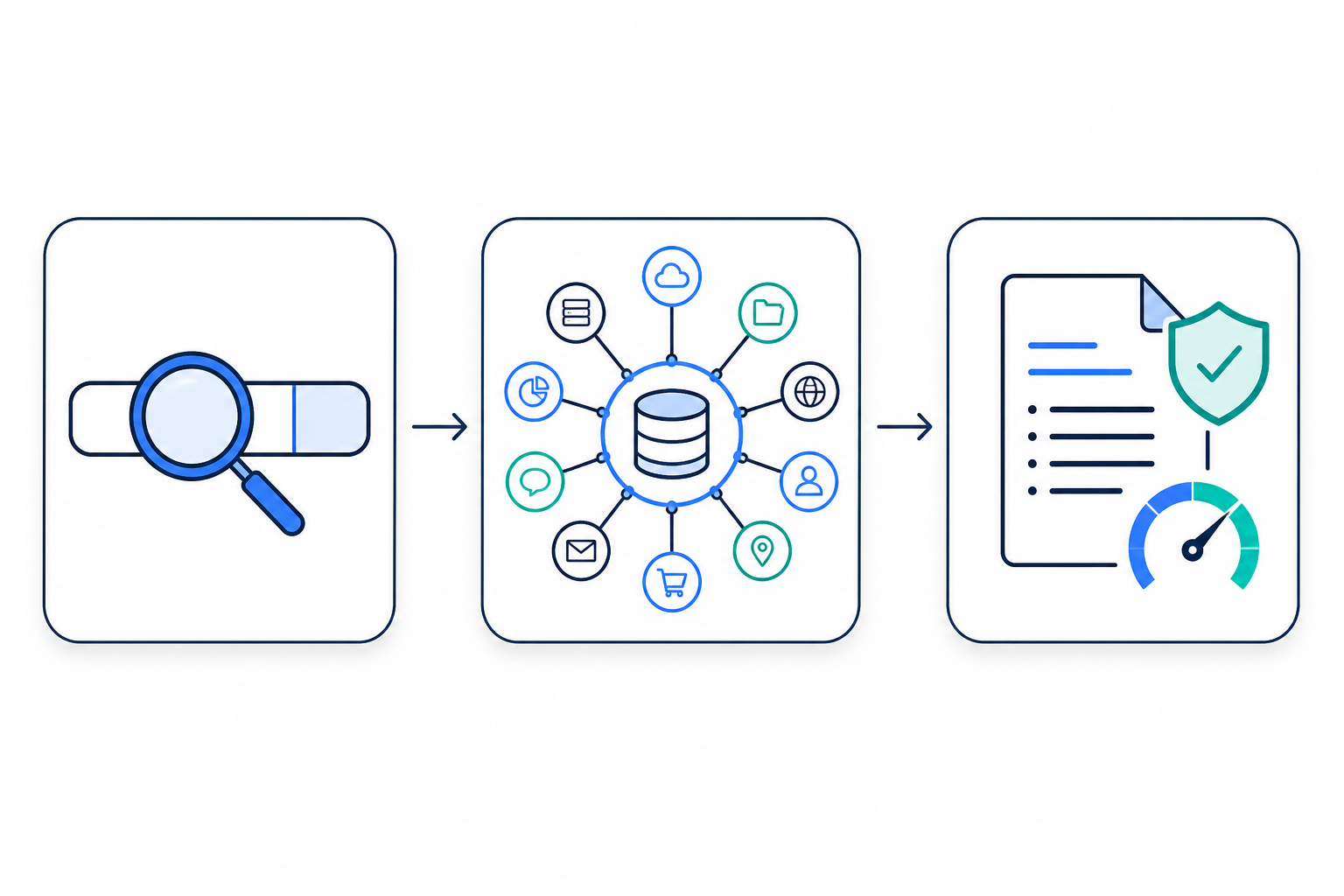
Before you hire anyone, run the destination wallet through our free crypto wallet address checker. You will instantly see whether the address is already linked to an exchange, carries scam reports, or is sanctioned.
That free summary helps you understand your own case and ask a recovery service sharper questions. If the wallet already shows strong leads, an investigation has more to work with.
You can also monitor the wallet for free, so you are alerted the moment new attribution appears, sometimes the break a case needs.
Who Looks for Recovery Services
- Victims of large investment or pig-butchering scams.
- People whose exchange or wallet was hacked or drained.
- Businesses that lost funds to payment fraud.
- Anyone burned once who wants to avoid a second "recovery" scam.
- People who need a documented report for police or insurance.
Frequently Asked Questions
Are stolen crypto recovery services legitimate?
Some are, many are not. Legitimate services do disciplined blockchain tracing and evidence work led by named, verifiable investigators, and they never guarantee recovery. Treat any guarantee, upfront "release" fee, or request for your keys as a scam.
How do I choose a safe crypto recovery service?
Verify the investigators' real names and press coverage, insist on a video call before any work, confirm exactly what the fee covers, and make sure they never ask for your seed phrase. Checking the destination wallet yourself first helps you ask better questions.
Can stolen cryptocurrency really be recovered?
Sometimes, but not always. Recovery is most realistic when funds are traced quickly to a regulated exchange that can freeze them, or when law enforcement gets involved early. Many cases are not recoverable, and any service that guarantees your money back is a red flag. The honest first step is tracing the funds to learn whether recovery is even possible.
How much does crypto recovery cost?
It varies. Legitimate investigators typically charge for their time and tools, often as a fixed preliminary investigation fee, not a large percentage promised against "guaranteed" recovery. Glacier21 offers a one-time preliminary investigation that traces your funds and tells you honestly whether recovery is realistic before you spend more.
How do I avoid crypto recovery scams?
Never trust anyone who guarantees recovery, asks for large upfront fees to "release" funds, or contacts you first claiming they can hack money back. Recovery scams specifically target people who were already victimized. Verify real names, look for a video call with named investigators, and check independent press coverage before paying anyone.