Is This Wallet Safe to Send My Crypto To? 7 Critical Warning Signs
Table of Contents
- Introduction: The Growing Threat of Crypto Wallet Scams
- What Makes a Wallet Safe to Send Crypto To?
- Warning Sign #1: Unsolicited Wallet Addresses
- Warning Sign #2: Addresses from Unknown Sources
- Warning Sign #3: Too-Good-To-Be-True Investment Promises
- Warning Sign #4: Pressure to Send Crypto Quickly
- Warning Sign #5: No Verification Method Available
- Warning Sign #6: Romance or Relationship-Based Requests
- Warning Sign #7: Fake Platform or Exchange Addresses
- How to Verify a Crypto Wallet Address Before Sending
- Using Blockchain Explorers to Check Wallet Safety
- Common Scam Tactics Targeting Crypto Users
- What to Do If You’ve Already Sent Crypto
- Best Practices for Safe Crypto Transactions
- Conclusion
- Frequently Asked Questions
Introduction: The Growing Threat of Crypto Wallet Scams
Before you send cryptocurrency to any wallet address, you need to ask yourself a critical question: is this wallet safe to send my crypto to? In 2024 alone, cryptocurrency users lost over $5.6 billion to scams and fraudulent wallet addresses. The irreversible nature of blockchain transactions means that once you send your crypto to a scammer’s wallet, recovery is virtually impossible.
This comprehensive guide will show you exactly how to determine if a wallet is safe to send crypto to, reveal the warning signs that indicate a potential scam, and provide you with proven verification methods to protect your digital assets. Whether you’re new to cryptocurrency or an experienced trader, understanding wallet safety is essential for protecting your investments.
What Makes a Wallet Safe to Send Crypto To?
Understanding what constitutes a safe crypto wallet address is the first step in protecting your assets. A wallet is safe to send crypto to when it meets several key criteria that establish trust and legitimacy.
Legitimate Source Verification
A safe wallet address comes from a verified, legitimate source. This means you’ve independently confirmed the address through official channels, not just through messages, emails, or social media posts. Legitimate exchanges, businesses, and individuals will provide multiple ways to verify their wallet addresses.
The address should be associated with a known entity that has a verifiable online presence, customer reviews, and established reputation in the crypto community. Never assume a wallet is safe to send crypto to based solely on someone’s word or a single point of contact.
🔍 Check & Report Crypto Wallet Addresses
IMPORTANT: Before sending cryptocurrency to ANY wallet address, check if it’s been reported as a scam.
Takes only 30 seconds • Could save you thousands • Help protect others
Transparent Transaction History
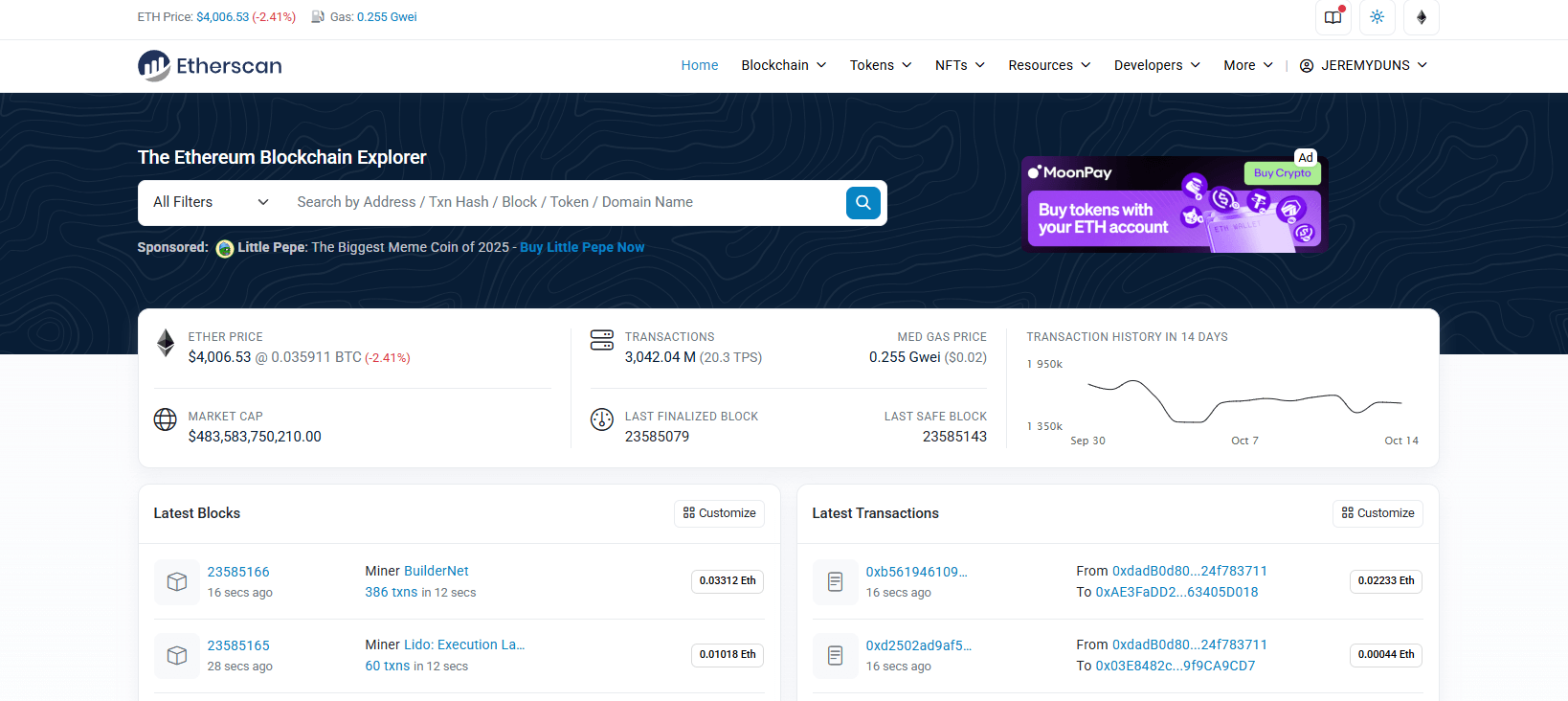
One advantage of blockchain technology is transparency. A safe wallet address typically has a visible transaction history that you can review using blockchain explorers like Etherscan for Ethereum or Blockchain.com for Bitcoin.
Examine the wallet’s activity patterns. Does it show regular, legitimate transactions? Or does it only receive funds without any outgoing transactions, which could indicate a scam collection address?
Established Relationship or Trusted Platform
The safest crypto transactions occur within established relationships or through trusted platforms. When sending crypto to an exchange, ensure you’re using the official platform and not a phishing site. When sending to individuals, verify you have a legitimate reason and relationship with the recipient.
Warning Sign #1: Unsolicited Wallet Addresses
The first major red flag that a wallet may not be safe to send crypto to is receiving the address unsolicited. If someone contacts you out of the blue via email, text message, social media, or messaging apps with a crypto wallet address, treat it with extreme suspicion.
Scammers commonly use mass messaging campaigns to distribute fraudulent wallet addresses. They may pose as investment advisors, crypto experts, exchange support staff, or even romantic interests. The common thread is that you didn’t initiate the contact or request the wallet address.
Common Unsolicited Contact Methods
- Random direct messages on Instagram, Twitter, or Facebook
- WhatsApp or Telegram messages from unknown numbers
- Email claiming to be from crypto exchanges or wallet providers
- Dating app matches who quickly steer conversation to crypto investments
- LinkedIn messages from supposed investment professionals
- SMS text messages promising crypto returns or airdrops
Legitimate businesses and individuals rarely send unsolicited wallet addresses. When in doubt, independently verify the source through official channels before considering whether the wallet is safe to send crypto to.
Warning Sign #2: Addresses from Unknown Sources
Even if you’re expecting to send crypto somewhere, receiving a wallet address from an unverified or unknown source is dangerous. This includes addresses shared in public forums, social media comments, or through third-party intermediaries.
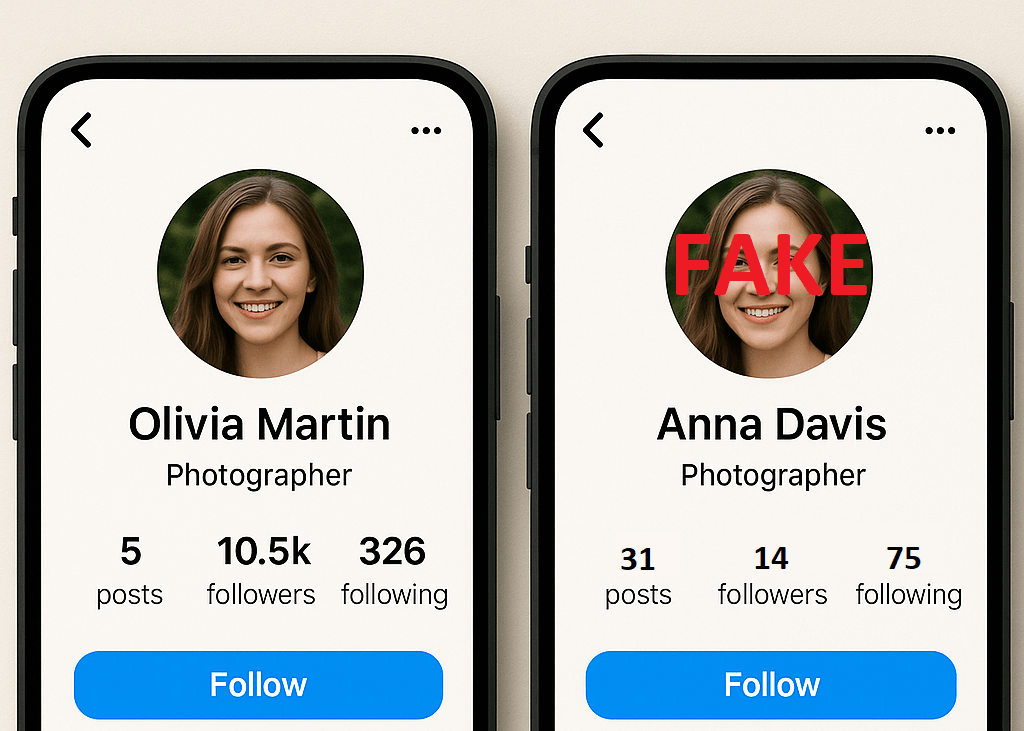
Scammers frequently compromise social media accounts or create fake profiles impersonating legitimate companies. They then share fraudulent wallet addresses in comments or posts, hoping unsuspecting users will send crypto without verification.
How to Verify the Source
Before determining if a wallet is safe to send crypto to, verify the source through these methods:
- Visit the official website directly (don’t click links in messages)
- Contact customer support through verified channels
- Check for verified badges on social media accounts
- Compare the wallet address with official documentation
- Call the company’s official phone number to confirm
- Search for the wallet address online to see if it’s reported as fraudulent
Taking these extra verification steps can save you thousands or even millions of dollars in cryptocurrency theft.
Warning Sign #3: Too-Good-To-Be-True Investment Promises
If someone is asking you to send crypto to their wallet with promises of guaranteed returns, incredible profits, or risk-free investments, the wallet is definitely not safe to send crypto to. This is one of the most common crypto scam tactics.
These scams often present themselves as “investment opportunities” where you send crypto to a wallet, and the scammer promises to invest it on your behalf, returning multiplied profits. Common variations include mining operations, trading bots, DeFi staking platforms, or exclusive investment pools.
Red Flag Investment Promises
- “Double your Bitcoin in 30 days guaranteed”
- “Our AI trading bot never loses money”
- “Exclusive investment pool with 500% annual returns”
- “Celebrity-endorsed crypto opportunity”
- “Limited spots available – invest now or miss out”
- “Government-backed cryptocurrency program”
Remember the golden rule: if an investment opportunity sounds too good to be true, it absolutely is. Legitimate investment opportunities carry risk, are properly regulated, and never guarantee specific returns.

Warning Sign #4: Pressure to Send Crypto Quickly
Urgency is a classic manipulation tactic used by scammers. If someone is pressuring you to send crypto immediately without giving you time to verify if the wallet is safe to send crypto to, this is a major warning sign.
Scammers create artificial urgency through various tactics: limited-time offers, market opportunities that will disappear, account lockouts requiring immediate payment, or emergency situations. Their goal is to make you act emotionally rather than logically, bypassing your natural caution and verification instincts.
Common Urgency Tactics
Be wary of these pressure tactics that indicate a wallet may not be safe:
- “This opportunity expires in 1 hour”
- “Your account will be locked if you don’t send payment now”
- “The market is moving – we need to act immediately”
- “Only 3 spots left in this exclusive investment”
- “Emergency situation – I need crypto transferred right away”
- “Verification deadline approaching – send crypto to confirm account”
Legitimate cryptocurrency transactions rarely require immediate action. Take your time to thoroughly research and verify whether a wallet is safe to send crypto to, regardless of any pressure or urgency.
Warning Sign #5: No Verification Method Available
A legitimate recipient of cryptocurrency will always provide ways to verify their identity and wallet address. If you cannot independently verify that a wallet is safe to send crypto to through official channels, documentation, or trusted third parties, do not proceed with the transaction.
This warning sign is particularly important for large transactions or when dealing with new contacts. Legitimate exchanges, businesses, and individuals understand the importance of verification and will facilitate your due diligence process.
Proper Verification Methods
Before sending crypto, ensure these verification methods are available:
- Official website with published wallet addresses
- Verified social media accounts with contact information
- Business registration and licensing information
- Physical office location or registered business address
- Customer support channels that respond to verification requests
- Third-party reviews and reputation on trusted platforms
- SSL certificates and security measures on websites
If the recipient becomes defensive, evasive, or angry when you ask for verification, this is a clear indication the wallet is not safe to send crypto to.
Warning Sign #6: Romance or Relationship-Based Requests
Romance scams have increasingly moved into the cryptocurrency space, combining emotional manipulation with crypto theft. If someone you’ve met online—especially someone you haven’t met in person—asks you to send crypto to their wallet, extreme caution is warranted.
These scammers build relationships over weeks or months, establishing trust and emotional connection before introducing cryptocurrency into the conversation. They may claim to be crypto investors, need help with a financial emergency, or want to include you in an investment opportunity.

Romance Scam Red Flags
- Met on dating apps or social media but can’t meet in person
- Professes strong feelings quickly
- Introduces crypto investing into conversations
- Offers to “teach” you about cryptocurrency
- Has access to exclusive investment platforms
- Needs financial help for various emergencies
- Shows fake trading profits to gain your trust
- Requests you create accounts on specific platforms
According to the Federal Trade Commission, romance scams cost victims over $1.3 billion in 2022, with cryptocurrency being the preferred payment method for scammers. Never send crypto to someone you haven’t met in person, regardless of the relationship you believe you have.
Warning Sign #7: Fake Platform or Exchange Addresses
Sophisticated scammers create fake cryptocurrency exchanges or investment platforms that look remarkably similar to legitimate services. They provide wallet addresses claiming to be deposit addresses for these platforms, but in reality, funds sent to these addresses go directly to the scammer.
These fake platforms often have professional-looking websites, fake customer testimonials, fabricated trading interfaces, and even fake customer support. They may show your account balance increasing to convince you to deposit more, but withdrawal is always impossible.
How to Identify Fake Platforms
Before trusting that a wallet is safe to send crypto to, verify the platform’s authenticity:
- Check the domain name carefully for misspellings or extra characters
- Verify SSL certificate and website security
- Search for the platform name with “scam” or “review” keywords
- Check registration with financial authorities
- Look for the platform on trusted exchange lists
- Verify the company’s registration and location
- Test customer support responsiveness and knowledge
- Search blockchain explorers for the provided wallet address
Legitimate cryptocurrency exchanges are registered businesses with regulatory compliance, established reputations, and significant online presence that can be independently verified.
How to Verify a Crypto Wallet Address Before Sending
Now that you understand the warning signs, let’s discuss the practical steps to verify if a wallet is safe to send crypto to. Following this verification process can prevent costly mistakes and protect your cryptocurrency investments.
Step 1: Independently Confirm the Source
Never rely solely on the wallet address provided in a message, email, or post. Instead, independently navigate to the official website or contact the recipient through verified channels. If sending to an exchange, log into your account directly rather than clicking links. If sending to a business, call their official phone number to confirm the wallet address.
Step 2: Search the Wallet Address Online
Copy the wallet address and search for it using Google and specialized scam databases. Many scam wallet addresses are reported and listed in public databases. Check resources like:
- Bitcoin Abuse Database
- Chainabuse.com
- Crypto Scam Database
- Reddit cryptocurrency communities
- Scam reporting forums

Step 3: Use Blockchain Explorers
Examine the wallet address using blockchain explorers appropriate for the cryptocurrency type. Look for transaction history, balance, and activity patterns. A wallet that only receives funds without any outgoing transactions may be a scam collection address.
Step 4: Send a Small Test Transaction First
When possible, send a small test amount first to verify the wallet is safe to send crypto to and that the transaction completes as expected. Wait for confirmation that the recipient received the test amount before sending the full payment. Legitimate recipients understand this practice and will accommodate it.
Step 5: Verify Wallet Address Format
Ensure the wallet address matches the correct format for the cryptocurrency you’re sending. Bitcoin addresses start with 1, 3, or bc1. Ethereum addresses start with 0x and are 42 characters long. Using the wrong address format will result in lost funds.
Step 6: Double-Check Every Character
Cryptocurrency wallet addresses are long strings of characters, and even one wrong character means the crypto goes to the wrong address. Some malware replaces copied wallet addresses with scammer addresses. Always verify the address after pasting by checking the first and last several characters.
Using Blockchain Explorers to Check Wallet Safety
Blockchain explorers are powerful tools for determining if a wallet is safe to send crypto to. These public search engines for blockchain networks let you examine any wallet address’s transaction history, balance, and activity patterns.
Popular Blockchain Explorers
- Bitcoin: Blockchain.com, Blockchair.com, Blockcypher.com
- Ethereum: Etherscan.io, Ethplorer.io
- Binance Smart Chain: BscScan.com
- Polygon: PolygonScan.com
- Solana: Solscan.io, Explorer.solana.com
What to Look For
When examining a wallet address to determine if it’s safe to send crypto to, analyze these factors:
Transaction History: Look at the frequency, amounts, and patterns of transactions. Legitimate wallets typically show both incoming and outgoing transactions. Scam wallets often only receive funds with no outgoing transactions.
Wallet Age: How long has the wallet been active? Newly created wallets with no history are higher risk than established wallets with years of activity.
Transaction Amounts: Do transactions appear legitimate and varied, or are there patterns suggesting scam activity (many small incoming transactions from different sources)?
Wallet Labels: Some blockchain explorers show labels for known exchange wallets, businesses, or reported scam addresses. These labels provide immediate insight into wallet legitimacy.
Common Scam Tactics Targeting Crypto Users
Understanding how scammers operate helps you better assess if a wallet is safe to send crypto to. Scammers continually evolve their tactics, but certain patterns remain consistent across crypto scams.
Phishing Attacks
Scammers send emails or messages impersonating legitimate exchanges, wallet providers, or crypto services. These messages contain fake wallet addresses or links to phishing websites designed to steal your credentials or trick you into sending crypto to fraudulent addresses.
Impersonation Scams
Scammers impersonate celebrities, crypto influencers, or company executives on social media. They announce fake giveaways or investment opportunities, providing wallet addresses for victims to send crypto to.
Ponzi and Pyramid Schemes
These scams promise returns paid from new investors rather than legitimate profits. Early participants may receive returns to create legitimacy, but the scheme inevitably collapses when new investment stops.
Rug Pulls
Developers create seemingly legitimate cryptocurrency projects or tokens, attracting investment before disappearing with all funds. The project’s wallet addresses drain all liquidity, leaving investors with worthless tokens.
Tech Support Scams
Scammers contact victims claiming to be from crypto exchange support or wallet provider technical teams. They claim there’s an issue with the account requiring immediate action, including sending crypto to a specific wallet for “verification” or “security purposes.”

What to Do If You’ve Already Sent Crypto
If you’ve sent cryptocurrency to a wallet that you now realize may not have been safe to send crypto to, act quickly. While blockchain transactions are irreversible, there are steps you can take to minimize damage and potentially aid in recovery efforts.
Immediate Actions
1. Document Everything: Take screenshots of all communications, wallet addresses, transaction IDs, websites, and any other relevant information. This documentation is crucial for reports and potential legal action.
2. Report to Authorities: File reports with multiple agencies to create an official record and potentially aid in tracking down scammers.
- Federal Trade Commission (FTC.gov/complaint)
- Internet Crime Complaint Center (IC3.gov)
- Your local police department
- Securities and Exchange Commission (SEC.gov) for investment scams
3. Report the Scam Address: Submit the fraudulent wallet address to scam databases so others can avoid it.
- Bitcoin Abuse Database
- Chainabuse.com
- Crypto Scam Database
4. Contact the Exchange: If the scammer’s wallet is on a centralized exchange, report the address to the exchange. While unlikely, they may be able to freeze the account if they can verify fraudulent activity.
5. Secure Your Accounts: Change passwords, enable two-factor authentication, and check for unauthorized access on all your crypto accounts. Scammers may have gained additional information about your accounts.
Realistic Expectations
Unfortunately, recovering cryptocurrency sent to scammers is extremely difficult. The decentralized and anonymous nature of blockchain technology makes enforcement challenging. However, reporting scams helps authorities track criminal operations and potentially prevent others from falling victim.
Best Practices for Safe Crypto Transactions
Protecting your cryptocurrency requires establishing safe transaction habits. Following these best practices will help ensure that every wallet you send crypto to is legitimate and safe.
1. Verify Everything Independently
Never trust wallet addresses received through messages, emails, or social media. Always verify through official channels by directly visiting websites or contacting companies through publicly listed contact information.
2. Use Trusted Exchanges and Services
Stick with established, reputable cryptocurrency exchanges and services with proven track records. Research any platform thoroughly before creating accounts or conducting transactions.
3. Enable All Security Features
Use two-factor authentication (2FA), withdrawal whitelist addresses, and other security features offered by your exchange or wallet provider. These features add layers of protection against unauthorized transactions.
4. Keep Your Private Keys Private
Never share your private keys or seed phrases with anyone. Legitimate services never ask for this information. Anyone with your private keys has complete control over your cryptocurrency.
5. Use Hardware Wallets for Large Holdings
For significant cryptocurrency holdings, use hardware wallets (cold storage) that keep your private keys offline. This protects against many online scam tactics and hacking attempts.
6. Stay Educated on Current Scams
Scammers constantly develop new tactics. Stay informed about current scam trends through reputable crypto news sources, security blogs, and community forums. Knowledge is your best defense.
7. Trust Your Instincts
If something feels wrong or too good to be true, trust that instinct. It’s better to miss an opportunity than lose your cryptocurrency to scammers. Take time to verify before sending crypto anywhere.
Conclusion
Determining if a wallet is safe to send crypto to is an essential skill for anyone involved in cryptocurrency. The irreversible nature of blockchain transactions means that once you send crypto to a scammer, recovery is virtually impossible. By understanding the seven critical warning signs covered in this guide and following proper verification procedures, you can significantly reduce your risk of falling victim to crypto scams.
Remember these key takeaways: always verify wallet addresses through independent channels, be suspicious of unsolicited requests, avoid relationships that quickly involve cryptocurrency, resist urgency pressure tactics, and use blockchain explorers to examine wallet history before sending funds.
The cryptocurrency ecosystem offers tremendous opportunities, but it also attracts sophisticated scammers. Your best protection is education, caution, and thorough verification before every transaction. When in doubt, don’t send crypto. It’s always better to take extra time for verification than to lose your investments to fraud.
Stay vigilant, trust your instincts, and remember that legitimate opportunities don’t pressure you or require blind trust. By applying the knowledge from this guide, you’ll be well-equipped to answer the critical question: “Is this wallet safe to send my crypto to?”
Frequently Asked Questions
How can I tell if a crypto wallet address is legitimate?
To verify if a wallet is safe to send crypto to, independently confirm the address through official channels, search for it in scam databases, examine its transaction history using blockchain explorers, verify the source’s identity through multiple methods, and send a small test transaction first. Never rely solely on addresses provided in messages or emails.
What should I do if I’ve already sent crypto to a scammer?
Immediately document all communications and transaction details, report the scam to the FTC, IC3, and local authorities, submit the fraudulent address to scam databases, contact the exchange if applicable, and secure all your accounts. While recovery is unlikely, reporting helps prevent others from becoming victims.
Are blockchain explorers accurate for checking wallet safety?
Yes, blockchain explorers provide accurate, real-time data about wallet addresses and transaction history. They’re excellent tools for determining if a wallet is safe to send crypto to by revealing transaction patterns, wallet age, activity levels, and sometimes scam labels. However, use them as part of a comprehensive verification process.
Can I reverse a crypto transaction if I sent it to the wrong wallet?
No, cryptocurrency transactions are irreversible once confirmed on the blockchain. This is why it’s crucial to verify that a wallet is safe to send crypto to before completing any transaction. Always double-check addresses and send test transactions when possible.
How common are cryptocurrency scams?
Cryptocurrency scams are extremely common, with billions of dollars lost annually. The FTC reports that crypto scams increased significantly in recent years, with romance scams, investment fraud, and impersonation schemes being the most prevalent. This makes it essential to know how to verify if a wallet is safe to send crypto to.
Is it safe to send crypto to someone I met online?
Exercise extreme caution when sending cryptocurrency to anyone you met online and haven’t met in person. Romance scams are particularly common in crypto. Never send crypto based solely on an online relationship, investment advice from online contacts, or urgent requests from people you haven’t verified independently.
What are the safest ways to send cryptocurrency?
The safest crypto transactions use established exchanges with verified accounts, hardware wallets with confirmed addresses, recipients you’ve met and verified in person, small test transactions before larger amounts, and addresses confirmed through multiple independent sources. Always take time to verify that a wallet is safe to send crypto to.
How do I protect myself from phishing scams?
Protect against phishing by never clicking links in crypto-related emails, always navigating directly to official websites, verifying sender email addresses carefully, using bookmark links for exchanges and wallets, enabling 2FA on all accounts, and maintaining skepticism of unsolicited communications asking for wallet addresses or transactions.