If you are asking, “Did I Get Scammed With My Crypto,” you are not alone. Many investors, especially beginners, face uncertainty when a cryptocurrency transaction does not go as expected. This guide will help you understand the warning signs, check your wallet, and take action if you suspect fraud.
Signs You Might Be Scammed
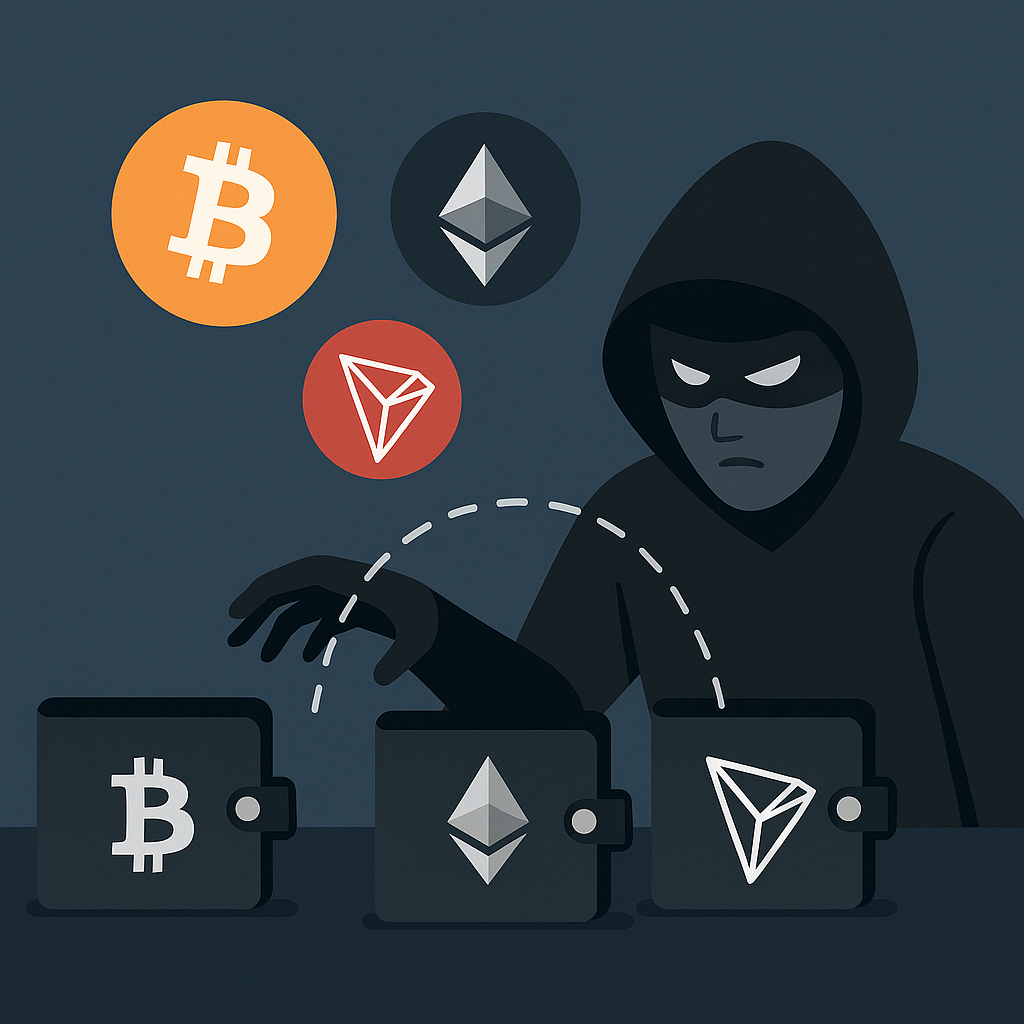
If you are wondering, “Did I Get Scammed From My Crypto,” there are several red flags to look for. Scammers often exploit trust, urgency, or promises of high returns to steal funds. Here are common indicators:
- Unexpected contact offering investment advice
- Unrealistic returns or guaranteed profits
- Pressure to send funds immediately
- Difficulty withdrawing funds
- Requests for secrecy or private information
Common Types of Crypto Scams
Understanding the most common scams can help you determine if you were scammed. Some scams target beginners, while others are highly sophisticated:
- Pig Butchering Scams: Long-term scams where scammers build trust before taking your funds. Learn more
- Fake Exchanges and Wallets: Websites or apps that mimic legitimate platforms to steal deposits.
- Pump and Dump Schemes: Coordinated efforts to inflate coin prices and sell off quickly, leaving investors with losses.
- NFT Scams: Fake or stolen NFTs sold on popular marketplaces like OpenSea. OpenSea Security
- Phishing Attacks: Emails, social media messages, or websites asking for private keys or credentials.
🔍 Check & Report Crypto Wallet Addresses
IMPORTANT: Before sending cryptocurrency to ANY wallet address, check if it’s been reported as a scam.
Takes only 30 seconds • Could save you thousands • Help protect others
Real-World Examples of Crypto Scams
Many beginners ask, “Did I Get Scammed With My Crypto?” but real examples help illustrate how these scams happen. Here are a few:
- Ethereum Investment Scam
A user was contacted on social media by someone claiming to have “insider access” to Ethereum trading. They showed fake screenshots of large profits and asked the victim to deposit ETH into a private platform. When the victim attempted to withdraw, the website disappeared, along with their funds. - NFT Marketplace Scam
An NFT collector purchased what appeared to be a rare collectible on a marketplace. After payment, the NFT never appeared in the wallet, and the seller vanished. Even reporting to the platform yielded no resolution. - Tron Pig Butchering Scam
A scammer spent weeks building a relationship with the victim, discussing crypto trends and promising guaranteed returns. The victim deposited TRX gradually over multiple transactions. Eventually, all funds were transferred to the scammer’s wallet and the scammer disappeared.
How to Verify Your Wallet
To determine if you were scammed, you need to investigate your wallet. Here are steps to verify:
- Check transaction history on blockchain explorers: Etherscan, Blockchain.com, or Solscan
- Look for suspicious incoming/outgoing addresses
- Search addresses on WalletWhitePages to see if they are flagged for scams
- Verify whether the platform you used is legitimate and regulated
Immediate Actions to Take
If you suspect, “Did I Get Scammed With My Crypto,” take immediate steps to protect your remaining assets:
- Stop sending funds to any suspicious addresses
- Secure your accounts by changing passwords and enabling two-factor authentication
- Report the scam to authorities such as IC3.gov or FTC.gov
- Notify exchanges if the scam involved a trading platform
- Document everything including screenshots, transaction IDs, and communication
Avoiding Future Scams
Education is the best protection. To reduce the chance of being scammed:
- Only use verified wallets and exchanges
- Be cautious with unknown contacts offering investment tips
- Avoid high-pressure or exclusive opportunities
- Learn about common scam tactics such as pig butchering, fake exchanges, and phishing
- Use platforms like WalletWhitePages to investigate any wallet before sending crypto
Resources and Help
Here are helpful resources to determine if you were scammed and protect your crypto:
- IC3.gov – Report Internet Crime
- FTC – Cryptocurrency Scams
- Etherscan – Ethereum Explorer (they also have most of the popular EVM chains)
- WalletWhitePages – Investigate Wallets
If you are asking, “Did I Get Scammed With My Crypto,” using these tools and steps will give you clarity and help you take control of your funds. Always verify before sending crypto, and report suspicious activity immediately.
Want a Private investigation? Start here.
If you are Law enforcement or need to run 1,000’s of wallets at once reach out to us here.